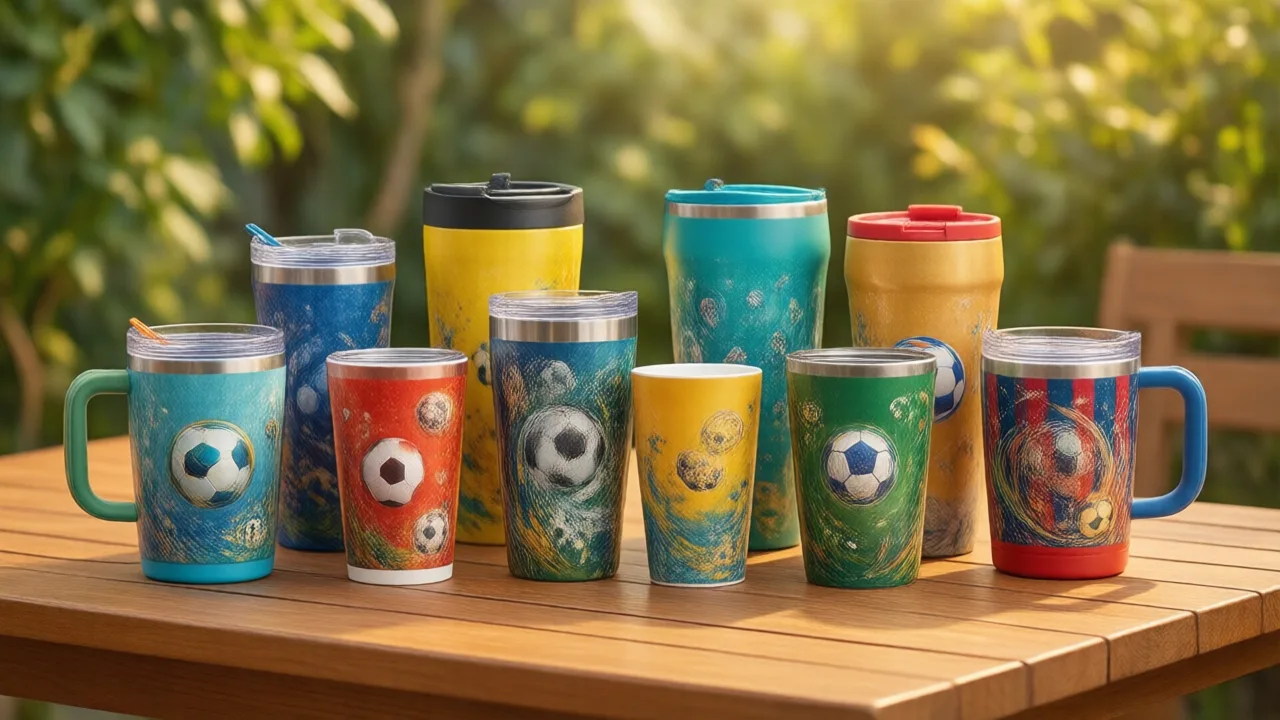
The World Cup 2026 Drinkware Guide: Cups of a Historic Summer
The FIFA World Cup 2026 final was played on July 19, 2026. That means this page should no longer read like a pre-event hype note. The useful question now is which cups, tumblers, and glassware choices were worth keeping after the tournament ended.
What Actually Earned Shelf Space
Commemorative stadium cups are strongest when they identify a place, match, or host-city memory clearly enough to matter later. Generic plastic cups with a small logo usually become clutter. Reusable cups with venue artwork, readable dates, and durable print are more likely to survive because they carry a specific memory and still function for cold drinks.
For home watch parties, insulated tumblers were the practical winner. Long matches, extra time, patio heat, and repeated ice refills all favor double-wall stainless or insulated plastic. The best pieces were not necessarily the most decorative; they were the ones with stable bases, lids that could be cleaned, and enough capacity for ice without watering down the drink immediately.
Stadium, Patio, and Bar Differences
Stadium cups need stackability, fast service, and safe disposal or reuse. Patio tumblers need sweat control, grip, and lids that keep insects and dust out. Bar glassware needs to survive crowd reactions, quick washing, and repeated handling. Those are three different jobs, so one "World Cup cup" recommendation is too broad.
Shatterproof pints and stemless outdoor glasses proved useful for group viewing because they reduce cleanup risk when people jump, move chairs, or carry drinks between indoor and outdoor spaces. But they should still be judged by rim feel and odor retention. Some plastics feel safe but make beer, wine, or citrus drinks taste flat after repeated use.
Collector Rules After the Event
If you saved cups from the tournament, document them now. Note the stadium, city, match, date, and condition while the memory is fresh. Photograph the front, back, base, and any maker or recycling marks. A cup with clear provenance is more meaningful to keep and easier to identify later.
Do not run printed commemorative cups through aggressive dishwasher cycles until you know how the decoration behaves. Heat and detergent can fade graphics faster than normal handling. Wash one lower-value piece first if you have multiples, and store the better example away from sunlight.
What To Reuse Next Season
The best post-event items are the ones that remain useful after the logo stops feeling new. Insulated tumblers can become patio and tailgate cups. Shatterproof pints can stay in outdoor service. Smaller souvenir cups can hold espresso tools, tea bags, bar picks, or tasting samples. Oversized plastic cups with weak print are usually not worth keeping unless they carry personal memory.
For restaurants, cafes, or bars that bought event drinkware, the review should be operational: how many cups disappeared, which lids slowed service, which items cracked, which graphics faded, and whether guests reused the cup without prompting. That record is more useful than ordering the same item again because it looked good in a catalog.
What Changed After the Final
Before the tournament, most drinkware advice focused on what to buy for watch parties. After July 19, 2026, the better advice is what to keep. A cup that was fun for one match may not deserve cabinet space if it stains, warps, keeps odors, or cannot be stacked. A plainer insulated tumbler may deserve daily use if it kept ice during patio viewing and still cleans easily.
For collectors, post-event timing matters. The best notes are made while details are still clear: which game the cup came from, who attended, whether the design was stadium-specific, and whether the print survived the first washes. Without those notes, many souvenir cups become anonymous plastic within a year.
What Not To Keep
Not every tournament cup deserves storage. Keep pieces with clear event identity, durable print, comfortable rims, useful capacity, or personal memory. Let go of cracked cups, warped lids, plastic that holds odor, cups with sticky residue that will not clean out, and duplicates that do not have a specific story. A smaller set with notes is more valuable than a box of anonymous extras.
If you hosted watch parties, review what people actually used. The cup that everyone reached for may have had a better grip, clearer lid, easier straw opening, or more stable base. The cup left untouched may have been too tall, too narrow to clean, too light for outdoor tables, or unpleasant at the rim. That observation is the buying guide for the next sports season.
Cleaning and Storage Checklist
- Wash sticky soda, beer, and cocktail residue before storing cups long-term.
- Dry lids and gaskets separately so tournament tumblers do not develop odor.
- Store printed cups away from heat and sunlight.
- Keep one clean example with event notes if the cup has collectible value.
- Recycle damaged generic cups instead of letting them crowd the cabinet.
Build a Better Cup Rotation
Use the iCup guide library to compare materials, lids, cleaning routines, and glassware shapes before the next event season.